You want picture quality that makes you pause. You also want a TV that handles movies, sports, and games without fuss. That is why we tested the best Sony Bravia options and separated real wins from hype.
This detailed review focuses on how each pick looks, sounds, and feels to live with every day. We kept setup, motion handling, brightness, and smart features in view.
You will see where each model shines, where it compromises a bit, and who should buy it. Let’s get right to the picks you can buy with confidence.
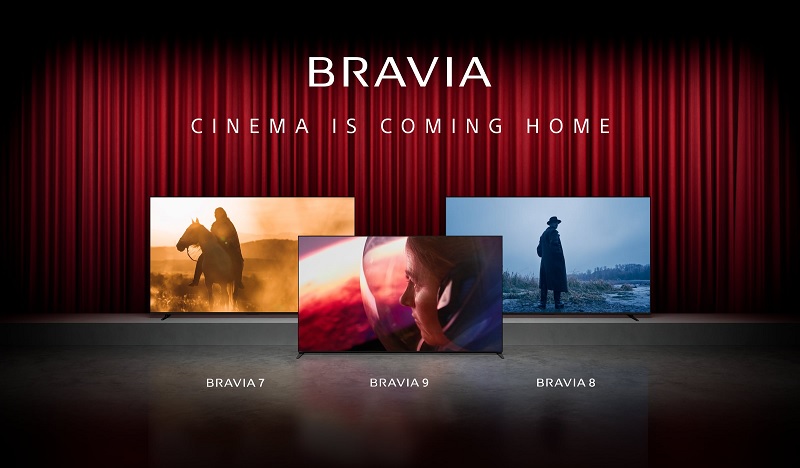
Best Sony Bravia TVs: A Quick Glance
If you are in a hurry, check the comparison table of our top picks below. It shows the highlights, key features, and quick-buy reasons at a glance.
| BEST CHOICE | MOST CINEMATIC | BEST PRICE | |
|---|---|---|---|
| Image |  |
 |
 |
| Title | BRAVIA 9 65″ Mini LED | BRAVIA 8 II QD-OLED | BRAVIA XR A95L QD-OLED |
| Panel Type | Mini LED QLED | QD-OLED | QD-OLED |
| Peak Brightness | Outstanding HDR brightness | High OLED brightness | High OLED brightness |
| Gaming Features | 4K120, VRR, ALLM, PS5 ready | 4K120, VRR, ALLM, PS5 ready | 4K120, VRR, ALLM, PS5 ready |
| Best For | Bright rooms & sports | Movie nights & controlled light | Reference picture quality |
| Audio System | Acoustic Multi-Audio | Acoustic Surface Audio+ | Acoustic Surface Audio+ |
| Price |
Selecting the Best Sony Bravia TVs: Factors to Consider
Finding the right Sony Bravia is easier if you focus on what truly affects your viewing. Start with your room and use case. Then match the panel tech, processing, and gaming features to your needs.
Panel Type and Brightness
Panel type sets the foundation. Mini LED models like BRAVIA 9 bring very high brightness with strong local dimming for impactful HDR in bright rooms. QD-OLED options like BRAVIA 8 II and A95L deliver perfect black and exceptional color volume. If you watch a lot in daylight or have glass nearby, Mini LED adds punch. For movie nights and clean shadow detail, QD-OLED is a joy.
Brightness also affects tone mapping and highlight detail. High peak brightness preserves sparkle in HDR, while stable ABL behavior keeps bright scenes consistent. Choose based on your room’s light and your content mix. Sports and daytime TV benefit from brighter sets. Cinematic viewing favors OLED depth.
Motion Handling and Upscaling
Sony’s XR processing is a strength. It reduces blur, keeps edges clean, and upscales lower-quality feeds without harsh artifacts. That matters for sports, anime, and streaming shows. A good processor keeps motion smooth while preserving film grain when needed. Look for native 120 Hz panels if you care about fast action.
Upscaling quality shapes your daily experience. Cable channels and YouTube vary in resolution. A better upscaler gives you sharper faces, better textures, and fewer ringing halos. It also stabilizes gradients so skies and shadows look natural.
Gaming Features and HDMI 2.1
If you own a PS5, Sony’s Auto HDR Tone Mapping and Auto Genre Picture Mode help you get a clean image fast. You should also look for 4K at 120 Hz, VRR, and ALLM through HDMI 2.1. These reduce input lag and screen tearing, which makes fast shooters and racers feel responsive.
Consider port layout and count. Two or more HDMI 2.1 ports can be useful if you run a console and a high-end sound system with eARC. A good Game Menu helps you adjust HDR, black equalizer, and motion settings without digging through pages.
Glare Control and Viewing Angles
Bright living rooms need anti-reflection coatings and wide viewing angles. Sony’s X-Anti Reflection and X-Wide Angle tech on the BRAVIA 9 help reduce mirror-like glare and keep color consistent off-center. OLED models have naturally wide angles, so family seating works well.
Glare control maintains contrast in daylight, and wide angles keep colors from washing out when you sit to the side. If your TV sits opposite windows, prioritize this.
Smart Platform, Sound, and Build
Google TV brings a broad app library and fast search. AirPlay 2 and Chromecast support make casting easy. Studio Calibrated Modes for Netflix, Prime Video, and Sony Pictures Core give you creator-focused presets without a calibration session. For sound, Sony’s Acoustic Surface Audio+ on OLEDs and Acoustic Multi-Audio on Mini LED models provide clear dialogue and better spatial cues than typical TV speakers.
Build quality and stand options affect placement. Check width if your media console is narrow. If you plan to wall mount, confirm VESA size and cable clearance. These details save time during setup.
3 Best Sony Bravia TVs – Detailed Review
Below are the three Bravia models reviewed in more detail. Each pick serves a different type of viewer while keeping that signature Sony picture quality.
1) Sony BRAVIA 9 65″ Mini LED (K-65XR90) — Peak Brightness Champ
This Mini LED QLED model targets bright rooms and punchy HDR highlights. XR Backlight Master Drive controls thousands of Mini LEDs for crisp contrast, deep blacks, and vibrant specular detail. XR Triluminos Pro supports billions of accurate colors with clean saturation.
What suits you here is versatility. Sports in daylight look bold, while movies hold strong black levels thanks to precise local dimming. X-Wide Angle and X-Anti Reflection improve off-axis viewing and reduce glare, which helps open plan spaces with windows.
Design is clean and functional. The 64.5-inch panel sits on a sturdy stand and can be wall mounted. The Game Menu, 120 Hz panel, and HDMI 2.1 features make it ready for PS5 with Auto HDR Tone Mapping and Auto Genre Picture Mode. I rate its HDR pop as excellent, especially with high-nit content.
Pros
-
Outstanding HDR brightness and contrast for sunny rooms
-
Strong anti-glare and wide angles for family seating
-
Google TV with Studio Calibrated Modes and Sony Pictures Core perks
-
4K120, VRR, ALLM, and PS5 features ready to go
Cons
-
Interface can feel busy if you add many apps
-
Local dimming may show faint blooming in extreme test patterns
2) Sony BRAVIA 8 II 65″ QD-OLED (K-65XR80M2) — Color-Rich OLED Sweet Spot
This QD-OLED set focuses on pure black and rich color volume. Over eight million self-lit pixels deliver perfect black with high OLED brightness. XR Triluminos Max pushes saturation without clipping, so skin tones stay believable and highlight shades hold nuance.
It is ideal for movie lovers and gamers who watch in controlled light. The 120 Hz panel, HDMI 2.1, VRR, and ALLM support smooth play. Exclusive PS5 features help set tone mapping correctly. I like how shadow detail stays intact in dark rooms. It preserves fine texture in hair, fabric, and night scenes.
The ultra-slim design looks premium on a wall or console. Acoustic Surface Audio+ uses the screen for sound, improving dialogue localization. Google TV covers key apps and casting. Studio Calibrated Modes for Netflix, Prime Video, and Sony Pictures Core make setup easy. We found color accuracy and black levels to be the standout strengths.
Pros
-
Perfect black with excellent near-black detail
-
Wide, saturated colors without cartoonish tone
-
Smooth gaming with 4K120, VRR, and PS5 features
-
Slim build and screen-based audio for cleaner setups
Cons
-
Serves best in dim or light-controlled rooms
-
Premium pricing at launch limits value hunters
3) Sony BRAVIA XR A95L 65″ QD-OLED (XR65A95L) — Flagship for Color and Contrast
A95L targets buyers who want the best Sony OLED picture. QD-OLED plus XR Triluminos Max creates Sony’s widest color palette with pure black and high brightness. XR processing handles depth and texture, keeping fine detail visible in both highlights and shadows.
If you want reference-leaning image quality for movies and prestige shows, this model delivers. It also covers gamers with 4K120, VRR, ALLM, and a helpful Game Menu. PS5 features set HDR levels quickly. In my view, the A95L balances punch and accuracy while keeping artifacts in check.
Build quality is premium with a refined stand and neat cable management. Acoustic Surface Audio+ places dialogue from the screen, which helps immersion. Google TV, AirPlay 2, Chromecast, and Sony Pictures Core make streaming simple. What we like most is how it preserves color fidelity in bright highlights that stress lesser panels.
Pros
-
Class-leading color volume and perfect black
-
Superb HDR detail with natural tone mapping
-
Strong gaming support and easy calibration presets
-
Excellent screen-driven audio for clear dialogue
Cons
-
Price sits at the top of the range
-
Google TV responsiveness can feel slow without housekeeping
Which Sony Bravia Should You Buy?
-
For bright living rooms and daytime sports: Pick BRAVIA 9 (K-65XR90). Mini LED brightness and anti-glare features give you punchy HDR and fewer reflections. Families who sit off-center will also appreciate the viewing angles.
-
For movie nights and balanced color in a slim body: Choose BRAVIA 8 II QD-OLED. Its perfect black, excellent color, and screen-based audio are great for cinematic viewing. It also plays nicely with PS5.
-
For best-in-class OLED color and flagship processing: Go BRAVIA XR A95L. You get Sony’s widest color palette and precise HDR. It is the pick for collectors of UHD movies and anyone who obsesses over fine tonal control.
Buying Tips and Practical Setup Advice
Room and seating. If your TV faces windows or glass doors, brightness and anti-reflection matter more than absolute black. That leans you to BRAVIA 9. If you mostly watch at night, OLED depth may serve you better.
Size and stand width. Confirm the stand footprint against your console. For the BRAVIA 9 at 56.88 inches wide, make sure the feet sit securely. If your furniture is narrow, consider a VESA table stand or wall mount.
Sound system. All three sets sound better than most TVs, but a soundbar or AVR still lifts the experience. If you need simple, consider a Sony soundbar with eARC to reduce sync issues. For A95L or 8 II, Acoustic Surface Audio+ already improves dialogue.
Calibration and modes. Start with Studio Calibrated Modes for Netflix, Prime Video, and Sony Pictures Core. They get you close to creator intent without manual tweaks. For gaming, use Game Menu to adjust HDR and black levels per title.
Cable management. Plan cable runs before mounting. Check HDMI 2.1 port locations and length needs for eARC, console, and media box. Keep power and signal cables separated where possible to reduce interference.
Final Thoughts
Sony’s current Bravia lineup gives you three clear paths. BRAVIA 9 handles bright rooms and sports with authority. BRAVIA 8 II QD-OLED brings perfect black and refined color for movie lovers. A95L pushes QD-OLED to its most vivid and precise form for those who want the very best.
Pick based on your room, viewing habits, and budget. Match the panel to your light conditions. Focus on two or three features you will use daily. With that, you will buy once and enjoy for years.
FAQs
Is Mini LED better than QD-OLED?
Different strengths. Mini LED wins daylight brightness and glare handling. QD-OLED wins perfect black and color volume. Choose based on room light and what you watch.
Do I need calibration?
These models offer Studio Calibrated Modes that get you close to accurate. A pro calibration can help, but is not required for a great picture.
Is 4K at 120 Hz worth it?
Yes if you play fast games on PS5 or a high-end PC. It reduces blur and input lag, making gameplay feel fluid.
Will these TVs work with an Apple TV or streaming stick?
Yes. Google TV is full featured, but many users still prefer a dedicated box. That is personal preference.
Do I need a new HDMI cable?
If you plan to run 4K at 120 Hz or use eARC for lossless audio, buy certified Ultra High Speed HDMI 2.1 cables.