If you’re aiming to boost your running performance or stay consistent with your training, a reliable smartwatch can make a huge difference. Garmin’s Forerunner series has long been a trusted line for runners of all levels—whether you’re just getting started or you’re chasing podium finishes.
We’ve studied the newest releases and tested their real-world performance to help you figure out which model truly fits your training needs. Whether it’s value, advanced tracking, or a sleek display you’re after, this guide has you covered.
Let’s help you find the one that suits your pace best.
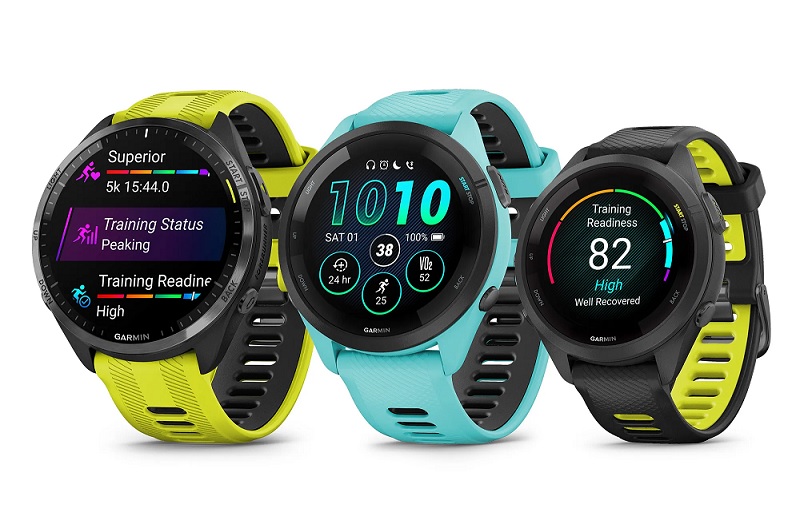
Selecting the Best Garmin Forerunner: Factors to Consider
Before you decide, it’s smart to think through a few key points. Each runner has different needs, and these watches vary in what they deliver. Let’s break it down.
Battery Life and Charging Speed
Your training schedule won’t always line up with your charging habits. That’s why it’s important to consider battery longevity. Some watches go well over a week, even with GPS use, while others may require a charge every few days depending on settings. Fast charging is another big win, especially for daily runners who don’t want to lose tracking time.
Training Features and Performance Metrics
The deeper the insights, the better your training. Features like running dynamics, training effect, VO2 max estimates, and recovery time help you fine-tune your efforts. Higher-end models give you more advanced metrics like running economy or step speed loss. If you’re training for races or want to push limits, these are worth having.
Display Type and Visibility
A bright screen that stays readable in sunlight matters more than you think—especially if you run outdoors. AMOLED displays are visually stunning and crisp, while memory-in-pixel (MIP) screens conserve more battery but can be dim in indoor lighting. Some models also have both touchscreens and buttons, giving you more flexibility during activity.
Comfort, Weight, and Size
You’re going to wear this watch a lot—on runs, during sleep, and maybe at work. So how it feels on your wrist should weigh heavily on your decision. Lightweight materials, soft straps, and smart sizing can make or break the experience, especially on longer runs or hot days.
Budget and Long-Term Value
While Garmin watches aren’t cheap, they usually offer strong value. Some entry-level models still bring powerful training support, while top-end ones combine luxury design and serious endurance tools. Think about what you truly need and what might become essential in the future as your training evolves.
Garmin Forerunner Watches – Detailed Review
Here’s our in-depth review of the top 3 Forerunner watches to buy this 2026. Whether you’re starting fresh or upgrading from an older model, one of these is likely a great match.
1. Garmin Forerunner 970 – Premium Power for Serious Runners

The Forerunner 970 is Garmin’s boldest leap forward in the Forerunner line. It combines ultra-advanced training tools with a luxurious, lightweight design that serious athletes will appreciate right away.
What makes this model truly stand out is its vibrant AMOLED screen paired with a rugged sapphire lens and titanium bezel. The built-in LED flashlight is a practical addition, offering extra safety during nighttime workouts. For triathletes, marathoners, or data-hungry runners, this is the watch to beat.
We also liked how this watch personalizes your training through features like running economy and step speed loss (when paired with HRM 600). These give you a clear idea of how efficiently you’re running and where you’re losing momentum—something few watches can offer. And thanks to its dynamic full-color maps and multi-band GPS, you can confidently explore new routes and still get accurate tracking.
You’ll find the buttons responsive and the touchscreen smooth, although the screen can feel overly sensitive at times. Still, the 970 balances everything well—style, substance, and serious tech.
Pros
-
15-day battery in smartwatch mode
-
Premium, lightweight titanium build
-
Great for serious triathlon training
-
Supports music, calls, and smart notifications
Cons
-
Pricey
-
Touchscreen can be overly sensitive under sleeves
2. Garmin Forerunner 165 – Smart Performance on a Mid-Range Budget

This model hits a sweet spot between performance and price. The Forerunner 165 brings many of the features runners need—GPS, heart rate, daily workout suggestions—but wraps them in a more accessible package.
The AMOLED display is clean and colorful, great for quick glances mid-run or checking your morning report. It’s lighter than higher-end models, which makes it more comfortable for long hours on the wrist. We found it ideal for people getting serious about fitness but who don’t want to overspend.
A standout feature is how the watch adapts your daily workouts based on past performance. Paired with Garmin Coach and 25+ sport modes, it pushes you to progress without overwhelming you with stats you may never use. The included recovery time and workout benefit metrics also help you train smarter, not harder.
We also appreciated how clearly the Forerunner 165 displays sleep, HRV status, and training outlook each morning. This makes it easier to plan your day or adjust intensity levels.
Pros
-
11-day battery life
-
Lightweight and versatile design
-
Useful recovery and training effect metrics
-
Excellent choice for intermediate runners
Cons
-
Lacks advanced performance metrics like training readiness
-
Some occasional Bluetooth syncing issues
3. Garmin Forerunner 55 – Affordable Simplicity That Works

The Forerunner 55 keeps things simple, but don’t confuse that with basic. This entry-level GPS running watch does what most new runners truly need—and does it well.
It comes with heart rate tracking, pace and distance monitoring, and suggested workouts—all the core essentials for someone looking to train smarter. The watch also includes Garmin’s PacePro feature, which helps you stay consistent during races or tempo runs by offering real-time pace guidance.
The 55 is made for comfort. It’s lightweight and compact, so it never feels bulky or annoying, even on long runs. And with up to 2 weeks of battery life in smartwatch mode, you’re rarely left scrambling for a charger.
We found its UI extremely beginner-friendly. If you’re new to Garmin or smartwatches in general, you’ll be up and running in minutes. It’s also surprisingly versatile, supporting HIIT, cycling, swimming, Pilates, and more.
Sure, you won’t get the most advanced training load stats or support for music storage. But for the price, it’s tough to beat.
Pros
-
Ideal for new runners
-
Simple, reliable, and affordable
-
Supports multiple workout types
-
Works well with Garmin Connect and Strava
Cons
-
No AMOLED display or music storage
-
Lacks deeper recovery insights
Final Thoughts
Choosing the right Garmin Forerunner watch comes down to how deep you want to go with your training—and how much you’re willing to spend. The Forerunner 970 offers unmatched tracking and performance tools for athletes chasing goals. The Forerunner 165 brings strong features and flexibility for everyday runners. And the Forerunner 55 keeps things clear, simple, and budget-friendly.
Each of these watches serves a different runner, but they all deliver accuracy, dependability, and long-term value. Pick the one that fits your pace, your routine, and your goals. Then get out there and start clocking those miles.